
Outwheeling Expectations
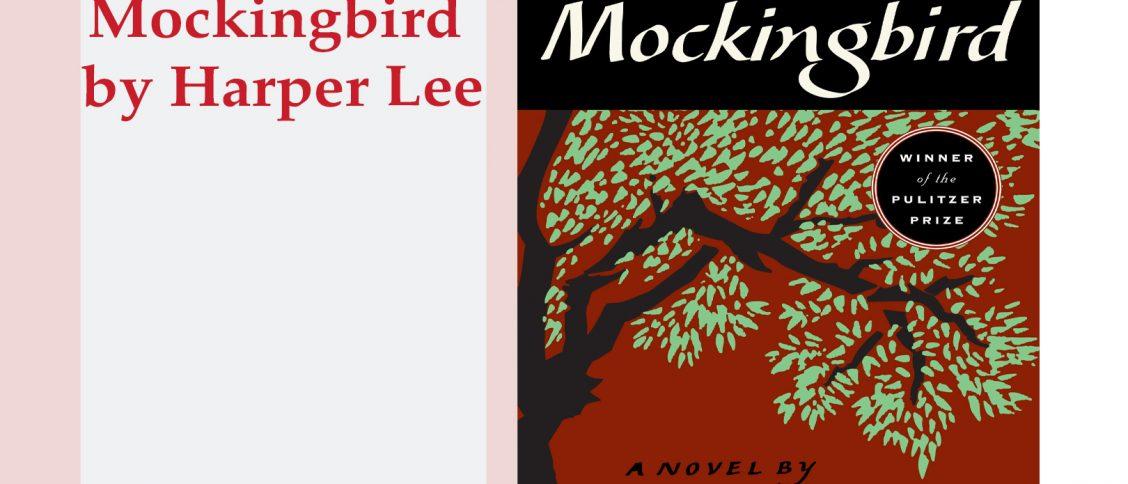
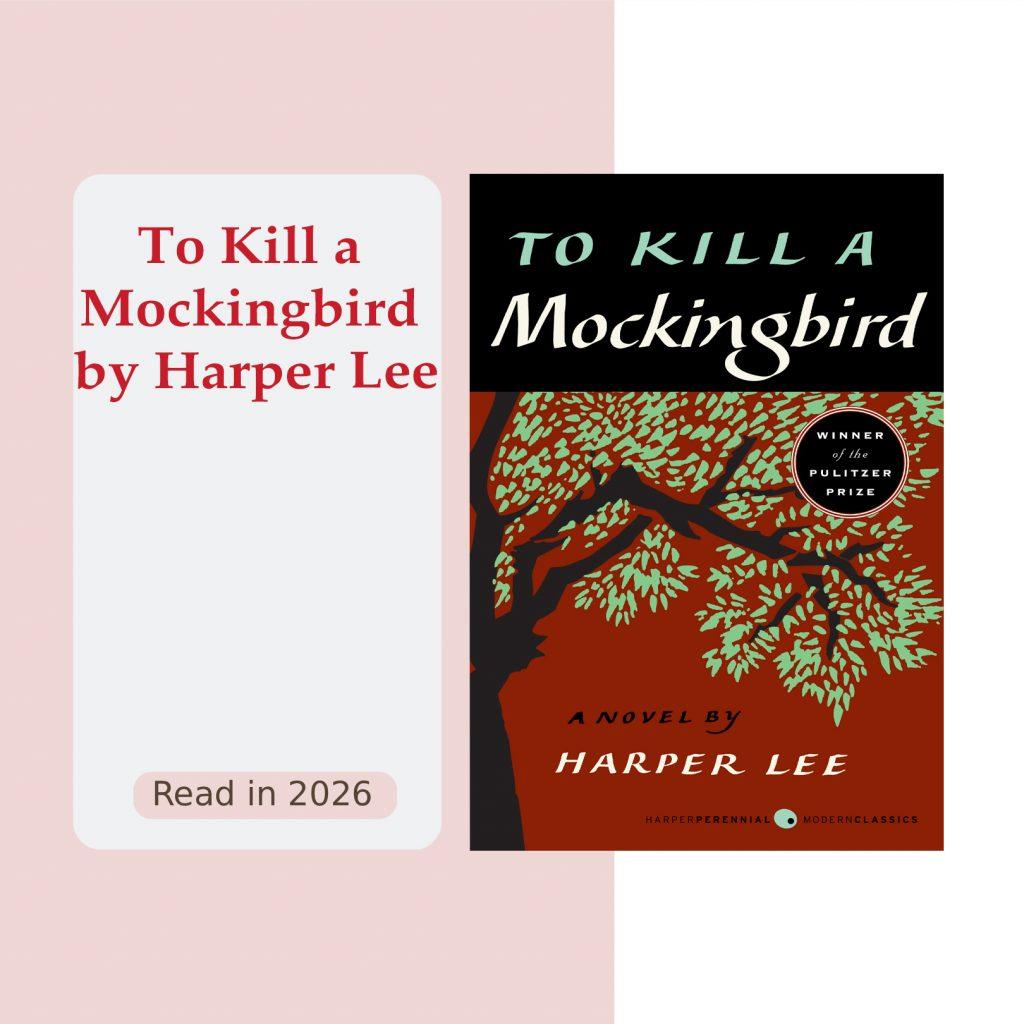
I swear I didn’t skip reading this in school—it simply was never assigned to me. It wasn’t until my nephew had it for homework that I finally picked it up, or rather, borrowed the audiobook narrated by Sissy Spacek. While he struggled through the typical student “stop and start,” I found myself completely captivated, finishing the entire thing in a single sitting. experiencing it as an adult gave me a perspective I don’t think I would have had as a teenager, especially because I know what it’s like to have people look at you and decide who you are before you’ve even spoken.
Oftentimes in my younger years, people would look at my wheelchair and assume I had no brain in my head. There was this frustrating, unspoken belief that because my legs didn’t work, my brain didn’t either. I’ve since proven those assumptions wrong by graduating in the top 10% of my high school class and completing college, but that feeling of being underestimated is exactly why Scout’s journey hit home for me. She is constantly under siege by a society trying to tell her who to be and what it means to be “female,” yet she remains adamant about her own identity.
Scout couldn’t care less about the performative expectations of the 1930s South. To her, the “Southern Lady” ideal is a cage made of stiff dresses, sitting perfectly upright in chairs with knees pressed together, and wearing shoes you can’t actually walk—or run—in. She wants to play, get dirty, and exist as an equal to her brother. Her resistance isn’t just childhood rebellion; it’s a fundamental refusal to let a rigid social hierarchy dictate her worth. It is truly incredible to imagine that this was published in 1960, long before the internet gave us the digital communities to validate these kinds of internal struggles. Scout was navigating her own “otherness” entirely on her own intuition.
This theme of being misunderstood by society ties beautifully into the character of Boo Radley. If Scout represents the fight to be seen for who she is, Boo represents the tragedy of being defined by what people fear. In a town that labels him a “monster” due to his reclusiveness, he remains the story’s most silent, protective heart. Much like Scout refuses to fit into the “lady” box, Boo refuses to fit into the “villain” box the neighborhood created for him. When Scout finally stands on his porch at the end, she isn’t just seeing a neighbor; she’s acknowledging a shared humanity that Maycomb’s labels tried to erase. Both characters remind us that the most important thing you can be is exactly who you are, regardless of the “boxes” or wheelchairs or shoes society tries to use to define you.