
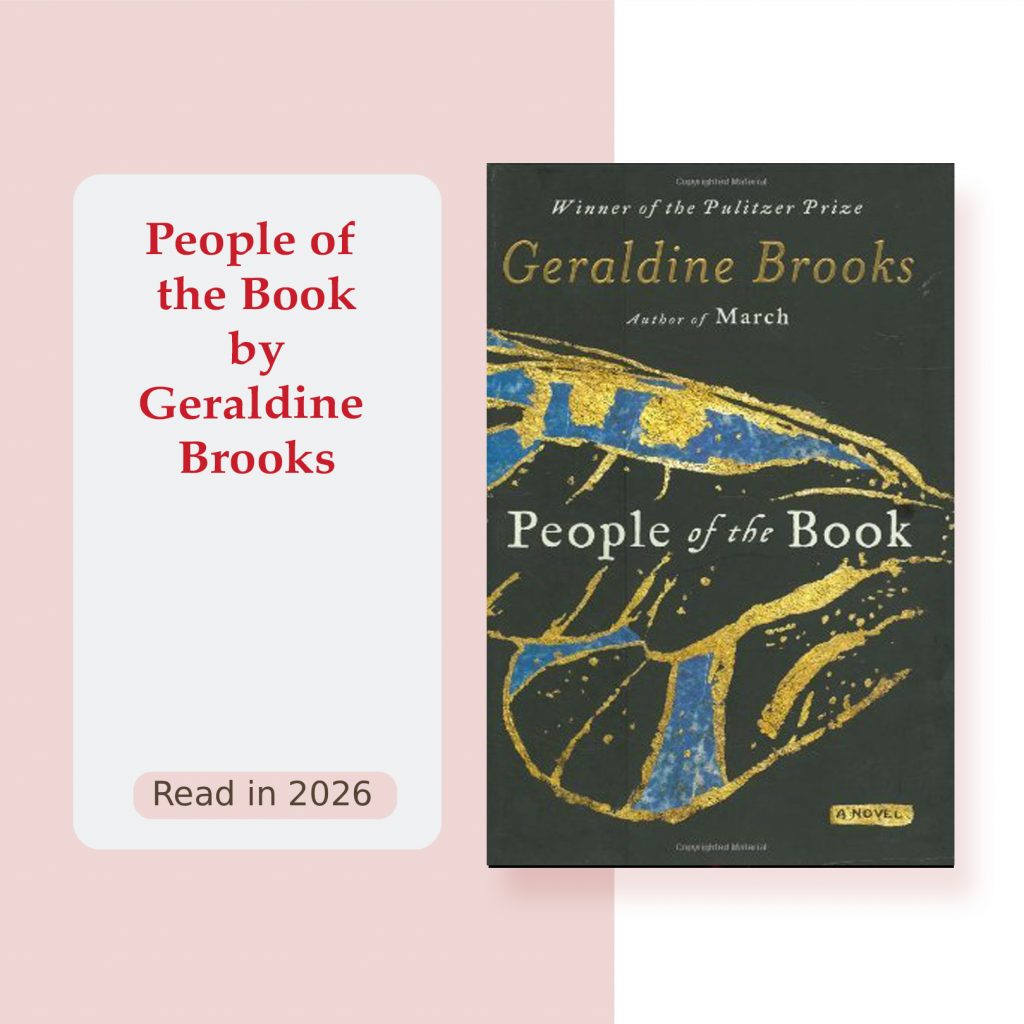
The Enduring Journey of the Sarajevo Haggadah
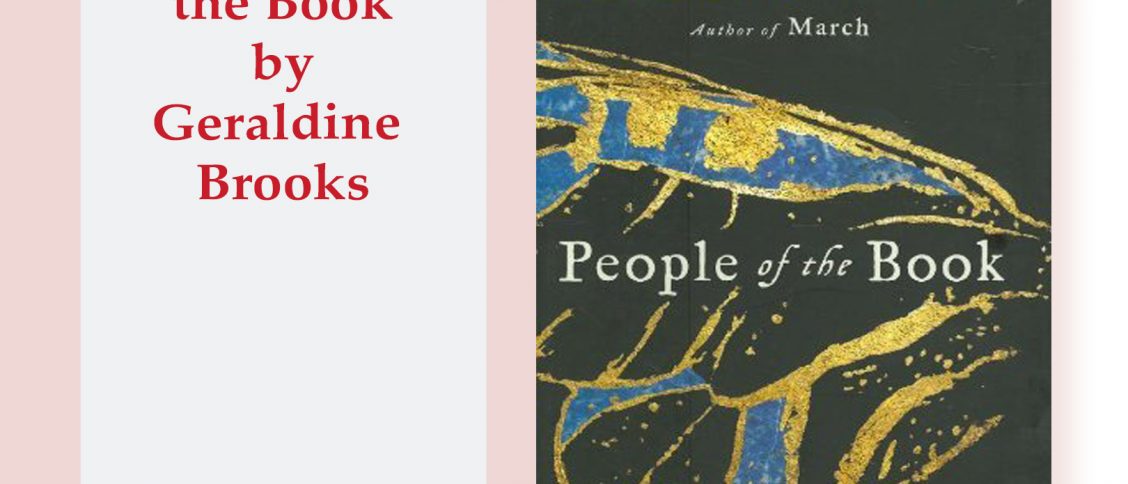
Sometimes a book touches you so deeply that its resonance lingers weeks after you’ve turned the final page. As my work book club selection for March, this was an incredibly moving experience. Being from Macedonia, I particularly loved the Eastern European references; they added a layer of personal connection that made the story feel even more vital.
People of the Book is a fictionalized account of the perilous journey of the Sarajevo Haggadah, an ancient Jewish manuscript famous for its stunning, intricate illuminations. The story follows the manuscript’s survival across centuries—from Moorish Spain and Inquisition-era Venice to late 19th-century Vienna—tracing the people of all faiths who worked to preserve it. In the modern-day thread, many believe the Haggadah has been destroyed, only for it to resurface in Bosnia. Dr. Hanna Heath, a skilled conservator, is tasked with uncovering its past. By analyzing tiny artifacts found within the pages, she unlocks glimpses into the book’s journey through the ravages of history.
The novel’s structure is fascinating, moving in reverse chronological order through alternating chapters. Brooks populates these eras with vivid, memorable characters; a gambling Rabbi and a drunken Inquisition censor were two of the best. The research is impeccable, and the prose is often tense and thrilling, blending historical mystery with moving descriptions.
However, I felt the author occasionally tried to cover too much. Hanna’s complicated relationship with her mother felt remote from the central story of the Haggadah. Additionally, the portrayal of Hanna’s Australian character felt overdone and dated; the use of slang like “slammer” for jail felt out of touch with modern speech and occasionally pulled me out of the narrative. I also felt the author’s contemporary agenda was a bit heavy-handed. While the themes of interfaith harmony are beautiful, the way almost every expert Hanna encounters is a woman, and the specific reveal regarding the illustrator’s identity, felt more like a modern lens being pushed than organic history.
Despite these qualifications, People of the Book is a fascinating, informative, and deeply enjoyable read. It is a powerful look at how a single object can connect cultures and faiths. While some of our book club members didn’t manage to finish it, I sincerely hope they go back to it. It is well worth the time.